
led round mirror bathroom
Types of Control Valves and Their Applications Control valves are vital components in numerous industrial processes, as they regulate the flow, pressure, and temperature of fluids within a system. By doing so, they ensure optimal functioning and safety of equipment. Understanding the various types of control valves and their applications is crucial for engineers and operators across sectors like oil and gas, water treatment, HVAC, and many more. One of the most common types of control valves is the globe valve. Known for its excellent throttling capabilities, globe valves have a spherical body shape that allows for smooth flow regulation. They are suitable for high-pressure applications where precise control is paramount. Industries often utilize globe valves in steam, water, and gas systems. Another prevalent type is the ball valve, characterized by its spherical disc that controls flow. Ball valves provide a quick shut-off feature and are often used in applications that require tight sealing and minimal flow resistance . These valves are common in the oil and gas sector, chemical processing facilities, and in household plumbing systems due to their durability and reliability. The butterfly valve is another efficient control valve, featuring a rotating disc that regulates flow. They are favored for their lightweight design and compact size, which make them ideal for large pipe applications, such as in water distribution systems and HVAC systems. Butterfly valves are particularly useful where space constraints are a concern, and they can effectively handle large volumes of fluid. types of control valves and their applications Gate valves, although primarily used as on/off devices, can also serve in control applications where there are low flow rates. They offer minimal pressure drop when fully opened but are not suitable for throttling since partially closed gate valves can cause vibration and seal wear. Industries commonly deploy gate valves in waterworks, sewer systems, and slurry pipelines. Check valves are crucial in preventing backflow in a piping system, ensuring that fluid flows in one direction only. These valves are essential in oil refineries, wastewater treatment facilities, and in pumping systems where backflow can lead to equipment damage or process interruptions. Pressure relief valves play a critical role in safety, protecting equipment from overpressure conditions. These valves automatically discharge excess pressure, often used in combination with other control valves in systems where pressures vary. Applications include boiler systems, gas pipelines, and chemical reactors. Finally, digital control valves represent an advancement in control valve technology. These valves incorporate sensors and actuators, allowing for advanced flow control and real-time data reporting. Industries that prioritize automation and precision increasingly depend on digital control valves for enhanced operational efficiency. In conclusion, the choice of control valve type is dictated by the specific requirements of the application in question. By understanding the functions and advantages of various control valves—such as globe, ball, butterfly, gate, check, pressure relief, and digital control valves—industries can optimize processes, ensure safety, and improve efficiency. As technology advances, the integration of innovative control strategies will further revolutionize the capabilities of control valves in diverse industrial applications.
about
led round mirror bathroom
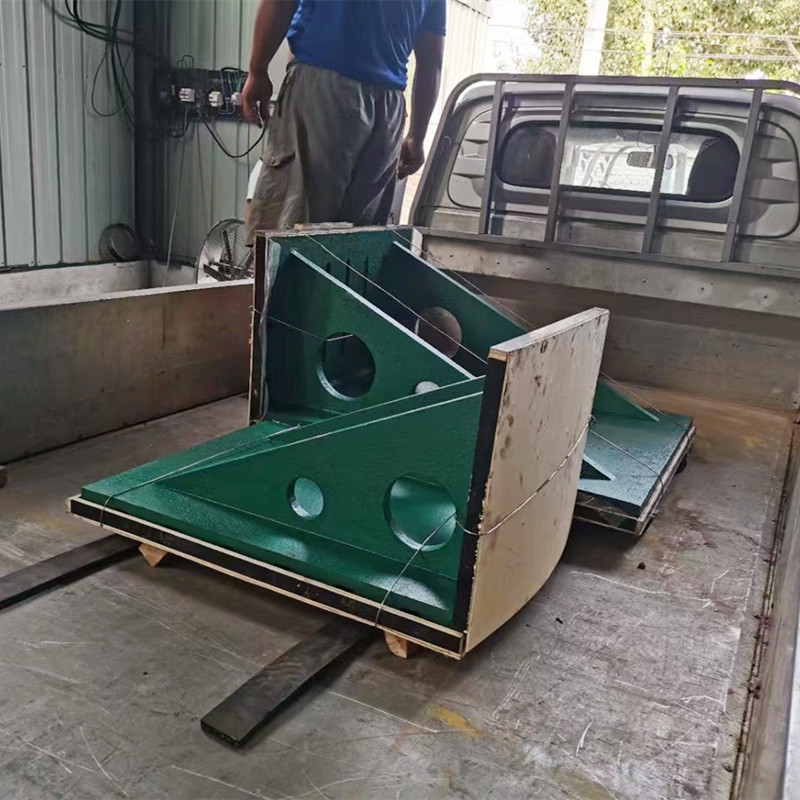
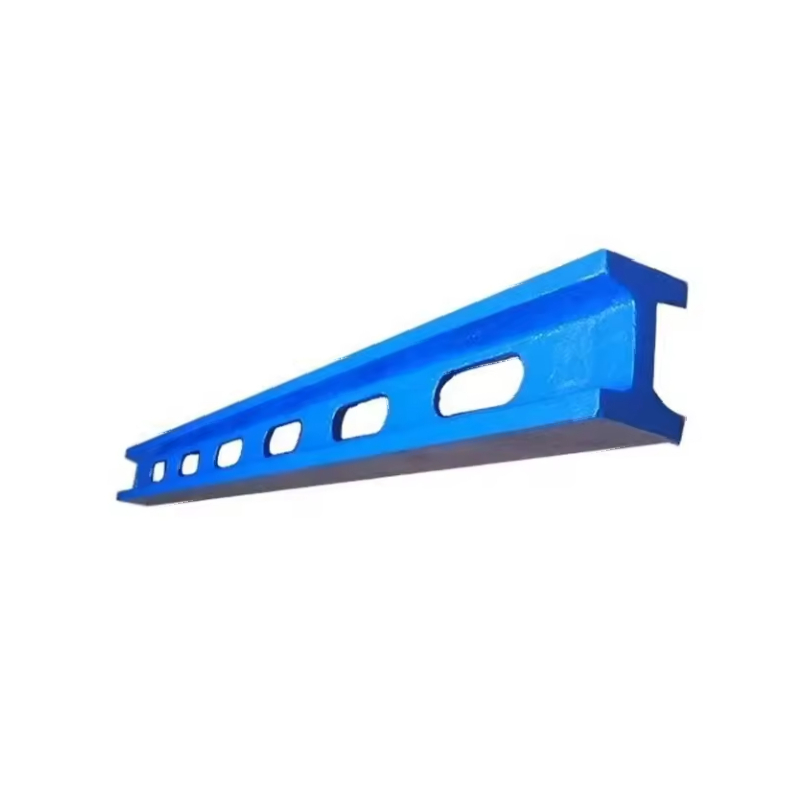
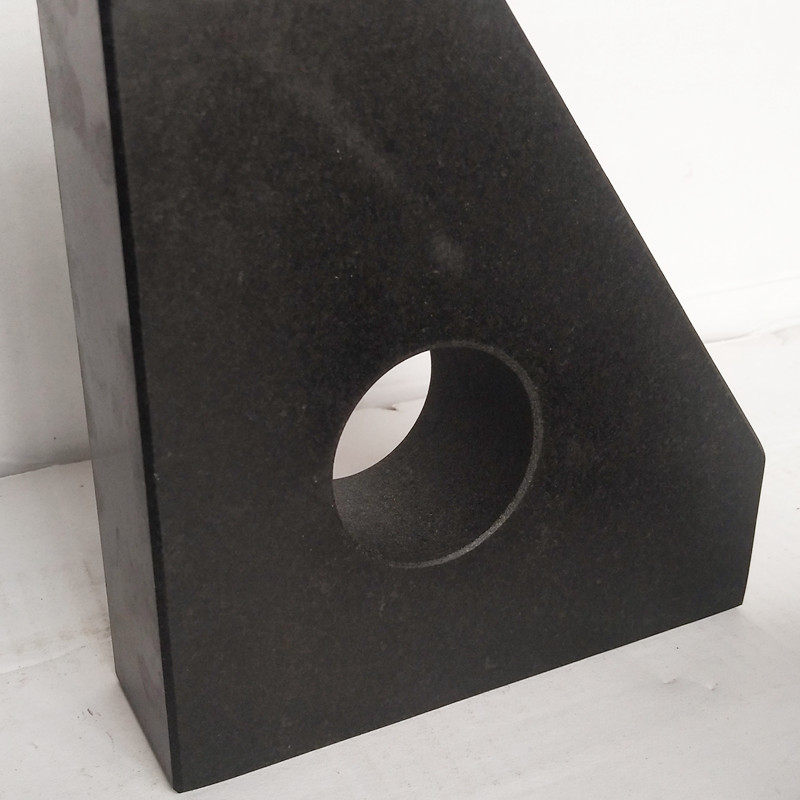
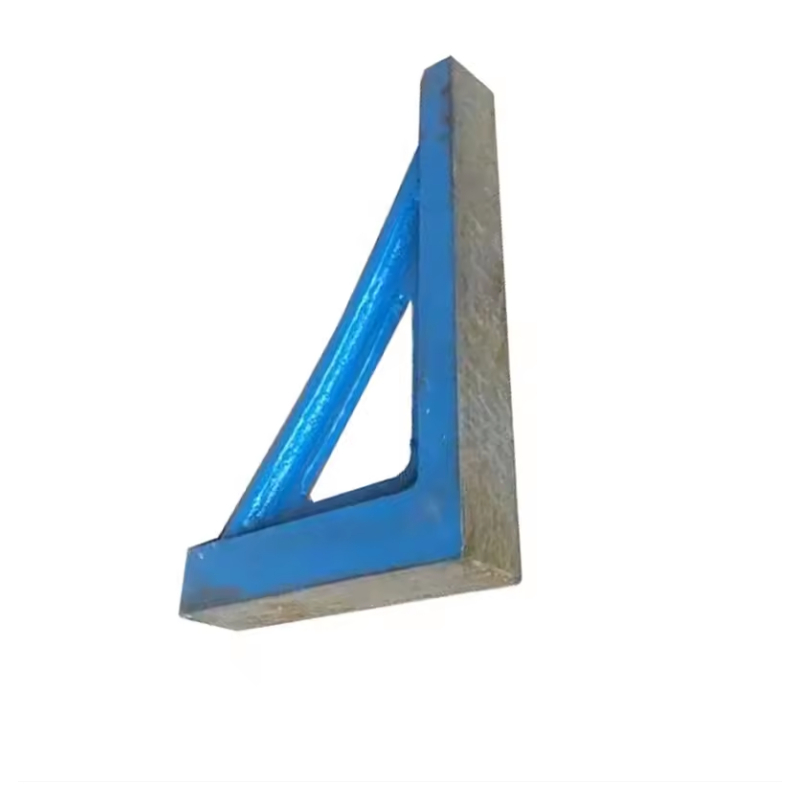
The Essential Role of Measuring Tool Suppliers in Various Industries In today's rapidly evolving industrial landscape, measuring tools play an indispensable role in ensuring precision, efficiency, and safety. Whether it’s in manufacturing, construction, healthcare, or research, accurate measurements are critical for achieving high-quality outcomes. This is where measuring tool suppliers come into play. Their contribution extends beyond merely providing tools; they offer expertise, support, and innovative solutions tailored to the diverse needs of various sectors. Understanding the Market Needs Measuring tool suppliers must understand the specific needs of their target markets. Different industries require different types of measuring tools. For instance, in manufacturing, tools like micrometers, calipers, and gauge blocks are fundamental for checking dimensions and tolerances. In contrast, the construction industry relies heavily on laser levels, tape measures, and digital inclinometers to ensure accuracy and compliance with design specifications. This broad spectrum of requirements demands that suppliers not only offer a wide range of products but also possess in-depth knowledge of each industry’s standards and practices. Innovative Solutions and Technology With advancements in technology, measuring tools have undergone significant transformations. Digital and smart measuring instruments are becoming increasingly prevalent, providing real-time data, enhanced accuracy, and automated functionalities. For example, digital calipers and micrometers can now store measurements, connect to software for data analysis, and even communicate with other devices. Measuring tool suppliers that stay ahead of these technological trends are able to offer cutting-edge products that meet the demands of modern applications. Suppliers are not just vendors; they often act as partners in innovation. Many suppliers work closely with manufacturers to co-develop tools that are specifically tailored to meet unique challenges faced in certain applications. This collaborative approach not only fosters innovation but also enhances the quality of tools available in the market. Quality Assurance and Reliability Quality is paramount when it comes to measuring tools. Inaccurate measurements can lead to significant consequences in any application, from safety hazards in construction to costly product recalls in manufacturing. Thus, suppliers must adhere to stringent quality standards and certifications. Reputable measuring tool suppliers undergo rigorous testing of their products and ensure compliance with industry standards like ISO and ASTM. This commitment to quality assurance helps build trust with customers, who rely on these tools for accurate and reliable results. measuring tool supplier Providing Support and Training Another critical aspect of measuring tool suppliers is their role in customer support and training. Providing high-quality tools is just the beginning; suppliers must ensure that their customers understand how to effectively use and maintain these instruments. Many suppliers offer training sessions, tutorials, and customer support services to help clients maximize the utility of their products. This support may include guidance on proper measurement techniques, calibration processes, and troubleshooting common issues. By equipping clients with the necessary knowledge and skills, suppliers enhance customer satisfaction and contribute to the overall success of their clients' operations. E-commerce and Global Reach In recent years, the rise of e-commerce has transformed the way measuring tools are supplied. Many suppliers now have online platforms that allow customers to easily browse, compare, and purchase measuring instruments from the comfort of their offices or workshops. This shift not only expands the reach of suppliers beyond local markets but also offers customers access to a wider selection of tools, often at competitive prices. However, with the convenience of online shopping comes the challenge of ensuring that customers make informed decisions. Suppliers must provide comprehensive product descriptions, specifications, user reviews, and clear return policies to facilitate confident purchasing. Conclusion Measuring tool suppliers play a crucial role in the efficiency and accuracy of various industries. Their commitment to innovation, quality assurance, customer support, and adaptation to market trends positions them as essential partners in the quest for precision. As industries continue to evolve, the partnership between manufacturers and measuring tool suppliers will be more critical than ever to ensure safety, efficiency, and quality in processes and products alike. By understanding and addressing the unique needs of their clients, measuring tool suppliers are not just meeting market demands; they are shaping the future of industrial practices.
-

High quality industrial productsagement

High quality industrial products
View Details -

Meet the diverse needs of customers

Meet the diverse needs of customers
View Details -

Strict quality control

Strict quality control
View Details -

Top raw materials

Top raw materials
View Details -

Trusted supplier

Trusted supplier
View Details
Our application


news and information
Water Control Solutions for Efficient Valve Management in Plumbing Systems
The Importance of Valve Water Management in Industrial Applications In various industrial operations
Wooden joist hanger connectors for secure structural support.
The Importance of Wood Joist Hangers and Connectors in Construction Wood joist hangers and connecto

welded globe valve
Understanding Welded Globe Valves A Comprehensive Overview Welded globe valves are vital components
 English